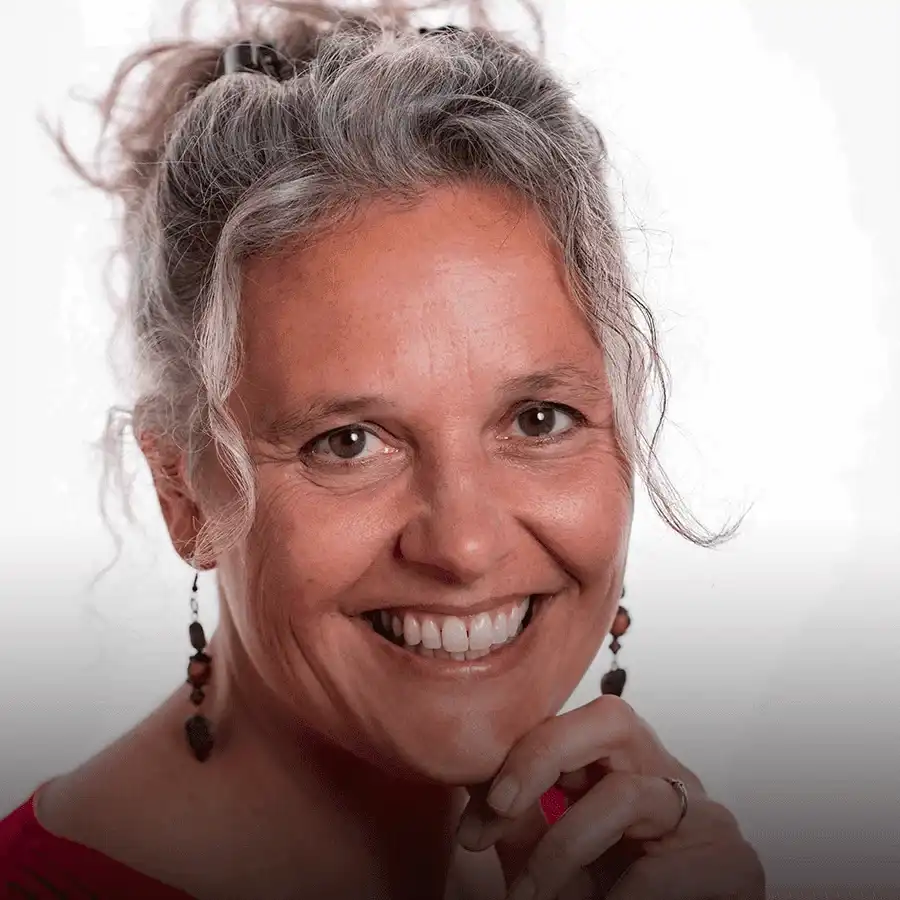
Marjon van Opijnen
Marjon van Opijnen, lecturer, breath and trauma therapist, founded the Embodiment LAB to create a place where we can regain our relation with our embodied intelligence and to use this intelligence in (societal) change processes for the better. Marjon is fascinated by the ecosystem our body is and the important role of our breath in this ecosystem.Breathe To Improve Your Mental Capacity
-
Is there a correct way of breathing? Many of us think there is and it is very likely that now we talk about our breath you start adjusting it to a deeper belly breathing. But what if there are many correct ways of breathing? Although we do it our entire life, we know very little about it. Which also implies that we are unfamiliar with how it affects the physical and mental processes in our body and how we feel. Our busy and fast way of living has also increased our speed and depth of breathing, with physical and mental consequences. In this interactive and practical Leqture you will learn how you can use your breath to improve your mental capacity, gain more energy and have more focus with simple exercises and a bit of knowledge.
-
During the expert session, Marjon engages the audience through a Q&A session, live demonstrations of breathing exercises, and using the Mentimeter app for interactive audience polls about common breathing patterns and their effects on health. Marjon highlights various dysfunctional breathing patterns like sleep apnea, screen apnea, and excessive sighing and yawning, discussing their potential physical and emotional consequences. She encourages listeners to strengthen their diaphragm through deep breathing exercises, use nasal breathing for calmness, and maintain rhythmic breathing for stress reduction. Marjon emphasizes that focusing on our breath can improve mental capacity, reduce stress, and enhance overall well-being. She concludes the session by addressing a question about hiccups and offering techniques to improve breathing habits for their prevention.
-
- Mastering Proper Breathing Techniques: Practicing deep breathing using your diaphragm is essential for optimal respiratory health and improved mental capacity. Deep breathing helps strengthen your primary respiratory muscles, prevents musculoskeletal pain, and enhances overall energy levels.
- Overcoming Dysfunctional Breathing Patterns: Becoming aware of negative breathing habits such as holding the breath or sighing excessively can lead to various physical symptoms including headaches, anxiety, and chest pressure. By recognizing these patterns, you can take steps to correct them and enhance your overall wellbeing.
- Enhancing Mental Capacity and Reducing Stress: Consciously focusing on your breath can help reduce stress, increase creativity, and improve mental clarity. Proper breathing techniques can also provide better oxygenation and energy levels, contributing to a healthier body and mind.
-
In this expert session, Marjon van Opijnen delves into the mechanics of breathing and its impact on both physical and mental well-being. She begins by explaining the roles of primary and secondary respiratory muscles in our breath. The primary muscles, such as the diaphragm, are responsible for deep breathing and maintaining overall health when at rest. Meanwhile, secondary muscles, located higher in the body, are used during intense activities or high-stress situations but can cause issues like pain in the shoulders, neck, and head if overused.
Marjon highlights that neglecting proper use of primary respiratory muscles can lead to various conditions, such as lower back pain and poor posture. On the other hand, misusing secondary muscles for functions they aren't designed for can result in symptoms like musculoskeletal pain, chest pressure, anxiety, fatigue, and headaches.
The expert goes on to discuss various breathing patterns and their potential effects on our bodies. For instance, she mentions the dangers of sleep apnea, where one stops breathing during the night followed by sudden inhalations. Additionally, she touches upon screen apnea, a condition characterized by holding one's breath or taking shallow breaths while looking at screens for extended periods.
Marjon emphasizes that proper breathing is essential for optimal health and mental capacity. She encourages conscious practice of deep breathing exercises to strengthen the diaphragm and improve overall respiratory function. Moreover, she explains how focusing on our breath can lead to reduced stress, increased creativity, better oxygenation, and higher energy levels.
The session also touches upon the relationship between stress and breathing patterns. Marjon notes that stress often results in shallow or erratic breathing, further exacerbating feelings of anxiety and tension. Chronic stress can negatively impact our respiratory system and overall health.
Throughout the session, Marjon provides practical tips on improving breathing habits, such as utilizing nasal breathing, rhythmic breathing exercises, and training ourselves to breathe through our noses instead of our mouths during sleep. She also discusses the importance of proper CO2 tolerance for regulating our breathing patterns and offers insights into techniques to manage hiccups and related issues.
In summary, Marjon van Opijpen's expert session explores various aspects of breathing and their significance in maintaining overall health and well-being. She emphasizes the importance of consciously focusing on our breath to improve physical and mental functions and offers practical tips for addressing common breathing patterns that can negatively impact our health.
