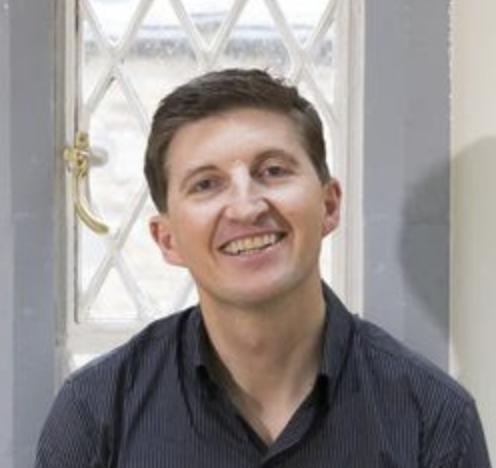
Mark Rowe
Dr. Mark Rowe has been a practicing family physician for nearly 30 years, having graduated from Medical School (UCD, Ireland) in 1991. He is the founder of the Waterford Health Park, which has become both the base for Dr. Rowe’s medical practice as well as the ‘Lifestyle Medicine Be Well Clinic’. As a Keynote speaker, Mark regularly delivers events and workshops for organisations around the world. His TEDx talk titled ‘The Doctor of the Future: Prescribing Lifestyle as Medicine’ took place in University College Dublin in 2017. Notable engagements to date have included the American House of Representatives and a number of Fortune 500 companies. Mark is among the first medical professionals globally to be certified as a Diplomate of the International Board of Lifestyle Medicine. Mark has always held a strong desire to support people to become more active participants in their own wellbeing and thereby changing the culture of ‘a pill for every ill’. He advocates positive lifestyle change as the best medicine for burnout prevention and lasting wellbeing.Changing the Face of Men’s Health in Your Organisation
-
November has become synonymous with 'Movember', an annual reminder of the importance of men's health issues. Statistics show the 'average' man spends many years of his life living with a chronic health condition and may die several earlier than women. In other words, a reduced health span in addition to reduced life span for men. Mark is asking you to not only think and talk about mens health but to take positive action. Encourage someone that matters to you - a family member, work colleague or friend - to take that first step and see their GP or Counsellor. Move from talking the talk to walking the walk. Actions do speak louder than words.
-
During the expert session, Mark Rowe engages the audience through a mix of interactive exercises and Q&A using the Mentimeter app.
-
- Impact of Traditional Masculine Norms: The traditional image of macho invincibility negatively impacts men's health by fostering beliefs and behaviors that hinder proactive health-seeking actions, leading to delayed medical attention and lower chances of successful treatment.
- Emotional Expression and Mental Health: Men often struggle with expressing their emotions, which can lead to emotional paralysis, toxic stress, anxiety, low mood, and potential substance abuse. This difficulty is influenced by learned behaviors and belief systems passed down through generations.
- Importance of Awareness and Action: Raising awareness about men's health issues, including lifestyle habits, risk factors, and the importance of screening, is crucial. Encouraging men to take proactive steps, such as visiting a GP or counselor, can significantly improve their health span and overall wellbeing, benefiting not only men but also their families, colleagues, and communities.
-
November has become synonymous with 'Movember', an annual reminder of the importance of men's health issues. Statistics show the 'average' man spends many years of his life living with a chronic health condition and may die several earlier than women. In other words, a reduced health span in addition to reduced life span for men. The traditional image of macho invincibility does men no favours at all - often resulting in health beliefs that can hinder your health seeking behaviour. This 'head in the sand' attitude of ignoring symptoms and delaying seeking medical attention, can make all the difference when it comes to chances of successful treatment. Of course, the usual suspect of simply 'being too busy' is often wheeled out an an excuse to avoid action.
Men often have difficulty expressing themselves. It's not that we don't experience emotion, of course we do. More that at times we can find it hard to put words on how we feel. This can lead to a form of 'emotional paralysis' resulting in toxic stress, anxiety, low mood and/or potential over dependence on alcohol or other drugs.
Perhaps a substantial part of this emotional isolation is down to belief systems and behaviour patterns learned in large part from our parents, peer groups, role models and society itself. Just like a baton in a relay race these ways of 'how we deal with stuff' can be passed down the line from generation to generation.
As a medical doctor, I deal with the fallout from mens health issues ( emotional, mental and physical) nearly every day of my professional life.
Growing a moustache for Movember aims to 'change the face of men's health' by building awareness and attitudes about men's health issues in terms of health habits and lifestyle, risk factor reduction, as well as the importance of relevant family history and appropriate screening tests. The end game of course is ultimately to make a difference - improving health span (adding life to years) while improving awareness of the critical importance of emotional, mental, relationship and physical health to wellbeing.
Men's health affects everyone. Not just men but the mothers, daughters, partners, people who care for and look after us. Let's include our work colleagues, workplace and organisational wellbeing, friends and wider community. Men's health matters big time. This Movember I'm asking you to not only think and talk about mens health but to take positive action. Encourage someone that matters to you - a family member, work colleague or friend - to take that first step and see their GP or Counsellor. Move from talking the talk to walking the walk. Actions do speak louder than words.
