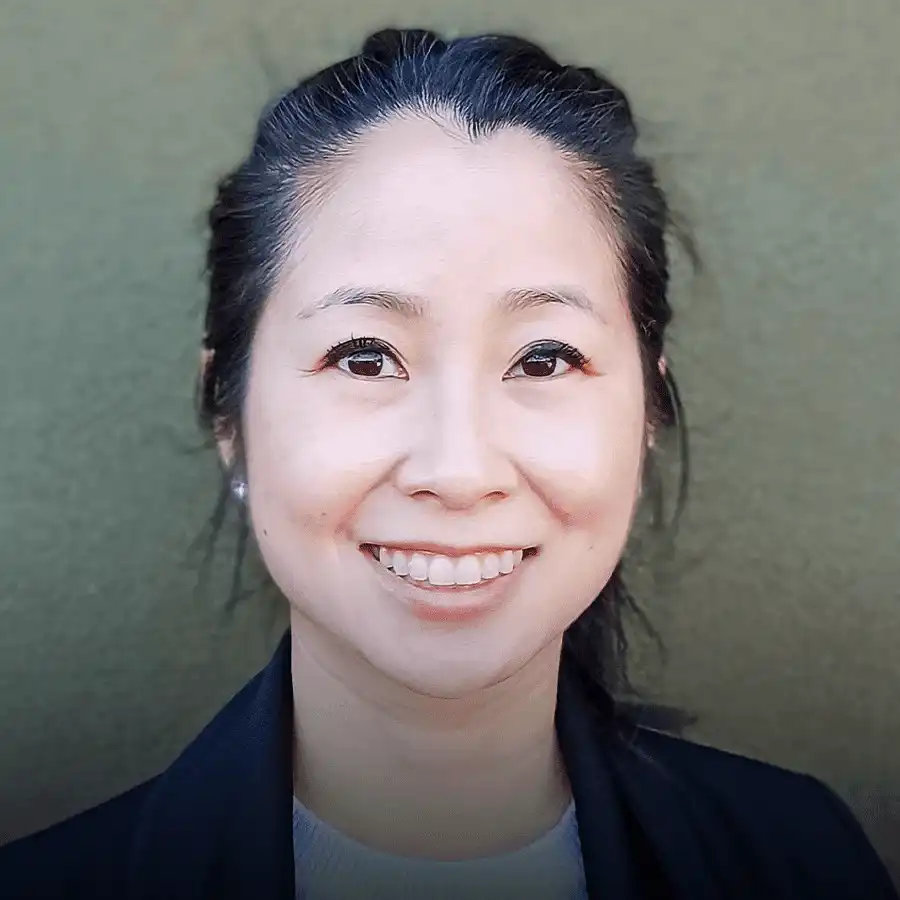
Rose Auyeung-Chen
Rose specialises in mood disorders, vocational rehabilitation, crisis intervention, self-harm, emotion regulation, stress management, and conflict resolution. She is trained in Dialectical Behavioural Therapy as well as Cognitive Behavioral Therapy. She is currently working in her private practice as well as a Clinical Counsellor at the BC Occupational Stress Injury Clinic treating persistent psychological difficulty resulting from operational duties performed during military or RCMP service. She also worked at Vancouver General Hospital’s Mental Health and Substance Use Outpatient Services for eight years providing group and individual therapy for a variety of mental health conditions. She is also a TEDx speaker and has over ten years of experience working with children and youth.Cognitive Flexibility
-
Have you ever wondered why eyewitness accounts at the scene of major events can vary so widely when everyone has witnessed the same event? In this session, Rose will take the participants through a fascinating exercise that will allow everyone to "flex their brain muscles". Participants will learn more about how their life experiences influence the way their mind interprets events, why their mind likes to create stories, and explore the concept of cognitive flexibility. Be prepared to participate and have fun!
-
During the expert session, mental health professional Rose Auyeung engages participants through a series of interactive activities using Mentimeter, an interactive engagement tool. She asks attendees to share personal stories about ambiguous pictures, encouraging creative storytelling and perspective-taking. Participants then reflect on their thought processes and categorize their stories based on impact, generating new positive stories for the session. The goal is to help participants understand cognitive flexibility and learn ways to control thoughts for desired outcomes, as well as recognize individual biases and shift focus when needed.
-
- Cultivating Mental Flexibility: Engage in activities that encourage shifting perspectives, such as looking at ambiguous images from various angles or generating positive stories from negative situations, to broaden your understanding of events and improve cognitive flexibility.
- Understanding Brain Stories: Recognize that the narratives our brains create are just stories and not always based on facts. Practice mindfulness exercises to become more aware of your thoughts and emotions without judgment, and learn techniques for managing negative thought patterns and rumination.
- Embracing Mindfulness Practices: Incorporate mindfulness exercises into your daily routine to help calm an active mind, improve focus, and enhance overall well-being. Engage in activities that promote sensory awareness, such as the "Five 4 3 2 1" exercise, and be patient with yourself during this process, recognizing the importance of kindness and gentle guidance towards mental growth.
-
In this expert session, mental health professional and cognitive flexibility trainer Rose Auyeung leads a thought-provoking discussion on how our life experiences shape the way we interpret events and the importance of becoming mentally flexible. The interactive session begins with participants being encouraged to have something to write with and observe their initial reactions when presented with an ambiguous picture.
Rose, a registered clinical counselor with ten years of experience in trauma treatment, including suicide prevention and crisis intervention, introduces herself and shares her expertise on cognitive flexibility. She has recently worked with various professionals, such as veterans and Canadian mountain police officers, to help them cope with the traumas accumulated from their respective careers.
Participants are asked to identify the focus point of their initial story about the picture and categorize it based on its impact on individuals involved. They then explore generating alternative positive stories for the session. Throughout the discussion, Mentimeter, an interactive engagement tool, facilitates participation and interaction among attendees.
Rose emphasizes the significance of recognizing the various ways our brains process information – rationally and emotionally – and encourages open communication and creative storytelling to broaden perspective-taking abilities. She shares her personal experience of initially struggling with this exercise and highlights how memories, particularly those based on emotional intensity, can skew perspectives towards negative experiences.
The second activity involves focusing on different elements in the picture and sharing opposite stories to broaden understanding that various interpretations can coexist and enrich perspective-taking abilities. Participants are invited to share their stories for this activity in the chat.
Rose emphasizes the importance of recognizing the stories our brains tell us and distinguishing them from facts. She encourages participants to practice noticing thoughts without judgment and assessing what is factual based on their senses. The expert also shares insights on rumination, which can occur when we hold onto negative emotions and thoughts. She advises mindfulness practices to help manage these feelings and redirect focus to the present moment.
The session concludes with Rose introducing mindfulness exercises to help participants connect with their internal senses, such as the "Five 4 3 2 1" exercise designed to engage the senses of sight, sound, and touch. She explains that this internal anchoring technique helps calm an active mind and can be beneficial for those who find it challenging to focus or experience a racing thought process. Rose leaves participants with final tips for noticing the stories their brains tell and practicing cognitive flexibility to broaden perspectives.
-
Building Connections And Well-being
Despite the fact we are often surrounded by other humans on a daily basis (whether it be through technology or in person), many of us find it challenging to deepen and forge strong connections with others. Did you know having strong healthy social connections in one's life actually has many positive benefits on one's well-being? Through this lecture, you will learn ways to grow and deepen your social network while avoiding the 4 common pitfalls people often make when building and managing meaningful relationships.
